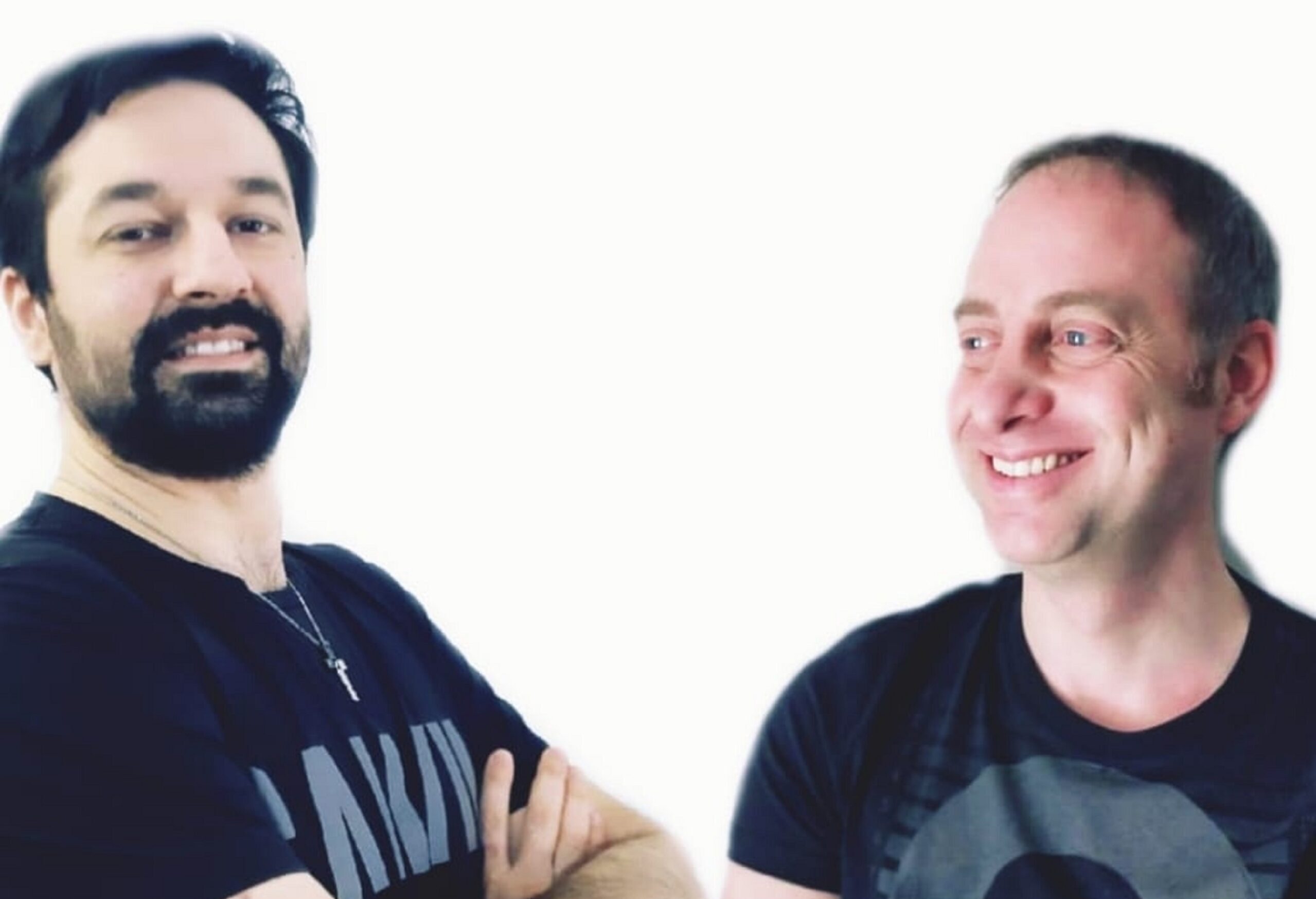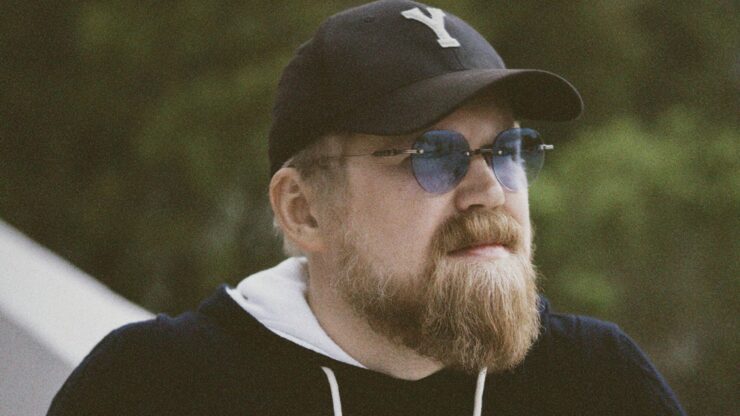
How do you make a record that grabs someone’s attention in the first few seconds and still rewards repeated listens? It’s a question facing many electronic music producers in the streaming era, and one that Denis First has given considerable thought to. With a catalogue spanning releases on Ultra, Enhanced and Sony, and collaborations with the likes of Cat Dealers, KDDK and Reznikov, the producer has increasingly found value in stripping back his productions and giving individual ideas room to breathe.
His latest single, ‘Replay’, featuring B Martin, puts that philosophy into practice. Built around an immediately memorable vocal, the track offers a neat entry point into a wider conversation about contemporary electronic music production, the creative implications of streaming algorithms, the value of collaboration and the enduring appeal of a great hook.
You’ve worked across several different styles of electronic music over the years. Looking back, what have been the biggest changes in your approach to production, and which elements have remained consistent?
I used to spend a lot of time adding layers. Now I’m quicker to mute a few tracks and listen for what I actually miss. I’ve always cared about the hook. Even when I’m making something for the dance floor, I want there to be a line or a melody you still remember the next day.
‘Replay’ has a strong vocal identity. When you’re working with a singer, how much does their performance influence the direction of the production, and how much is already established beforehand?
I usually have a beat and a rough sense of the mood. With ‘Replay’, things came together quickly once I heard B Martin’s idea. Even the pauses in his rap had a rhythm of their own. They helped me hear where to take the drums out and when to bring them back. His delivery also brought back memories from when I was younger, and that feeling helped shape the arrangement.
You’ve released several records with Reznikov, including ‘Taking Off’, ‘Heart Away’ and ‘Empty’. What made that partnership work so well, and what did you learn from making music together?
We could tell each other when something wasn’t working, and we were both happy to try it another way. Working with Reznikov taught me to give an idea time. Sometimes you think you already know where a track should go, then you hear what someone else does with the same section and realise there was a lot more you could do with it.
There’s a lot of competition for listeners’ attention in electronic music. When making something like ‘Replay’, how conscious are you of creating a track that connects immediately, and does that ever conflict with your creative instincts?
No matter how talented you are as a producer, you have to think about algorithms these days. If the hook doesn’t catch someone’s ear straight away, they can easily skip the track before they hear what you’ve done with the rest of it. Sometimes I want to give a track time to unfold, and that’s where it gets tricky. With ‘Replay’, it felt natural. B Martin’s vocal grabbed me the first time I heard it, and I wanted listeners to feel the same thing.
Your catalogue includes collaborations with Cat Dealers and KDDK, alongside your own productions. What do you look for in a collaborator, and have any of those partnerships changed the way you approach making music?
I like working with people who hear something in a demo that I’ve missed. I might be so focused on the beat that someone else has to point out where a vocal could go or suggest a completely different direction. Collaborating has made me more willing to share ideas while they’re still rough. That’s usually when someone has the most room to surprise me.
You’ve had releases on labels including Ultra, Enhanced and Sony. How much does the label you’re working with influence the music you make, and how has your relationship with the industry changed over time?
When I’m writing a track, I follow what feels right for the music. I used to spend more time thinking about who might sign it. These days, I care more about finding a team that hears what I hear in the track and knows how to get it in front of listeners. Bigger labels have a lot more resources to promote a release. For any of that to make a difference, the team has to believe in the record.
‘Replay’ draws on a fairly direct, accessible approach to songwriting. What do you find most challenging about keeping a production simple, particularly when you have so many possibilities available in the studio?
Knowing when to stop. There’s always another sound you can try. Sometimes I mute the last three layers I added and realise the track sounded better twenty minutes ago. I finished ‘Replay’ in about a week and was happy with it straight away. Then there’s ‘Last Girl Standing’. I’ve reworked that one 14 times. I think it’s nearly there. Then again, I’m pretty sure I’ve said that before.
Electronic music has changed considerably since your earlier releases, particularly in how tracks are discovered and consumed. Has that affected the way you think about making records, or do you try to keep those considerations outside the studio?
I pay more attention to the first few seconds now. In the studio, I still listen to the track from start to finish. I want to hear how the mood changes and see if I feel like playing it again when it ends. I think more about where people might first hear the track, and which part might catch their ear, when I’m getting ready to release it.
You’ve built a catalogue that moves between club-focused records and more vocal-led productions. Where do you feel your interests are heading now, and are there musical directions you’ve been wanting to explore further?
Lately I’ve been making a lot of music for the dance floor and experimenting with spoken vocals. I love it when a whole track can hang on one line, and by the third time you hear it, you’re saying it along with the record. ‘Replay’ is closer to the radio side of what I do. It’s for when you’re in the mood to fall in love.
I’m also really drawn to traditional folk singing. I’d love to work with a choir or a folk ensemble and bring those live voices into electronic music. I’ve already started working on a few ideas, and the first release in that direction is coming soon.
Replay is out now on First Forged