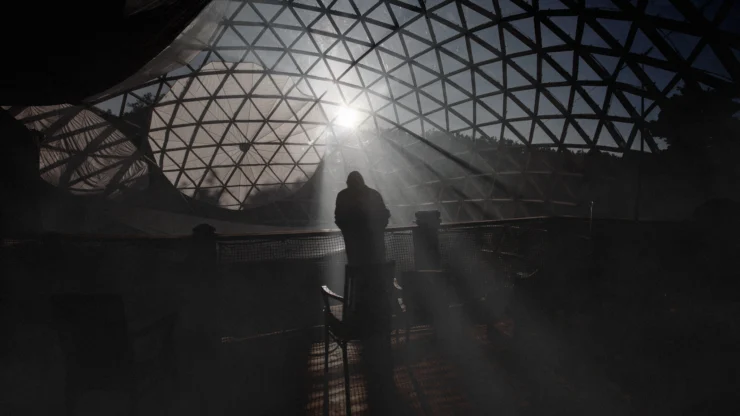
Some festivals use architecture as scenery. Kokong Festival treats it as part of the composition. Set inside the transparent Stallhagen Dome on the Åland Islands, the event occupies a space that feels simultaneously exposed to the surrounding landscape and sealed away from ordinary time. Its geodesic frame, translucent skin and wooden interior create a natural meeting point between experimental electronics, electroacoustic performance, ambient immersion and the physical release of club music.
Founded by local enthusiasts who wanted to expand the range of experimental electronic music available on the islands, Kokong has developed into an interdisciplinary platform connecting sound, dance and performance art. Its purpose reaches beyond booking artists for a weekend: the festival supports Åland’s creative community while establishing exchanges between local practitioners and international guests. That balance gives the project an identity that feels rooted without becoming isolated.
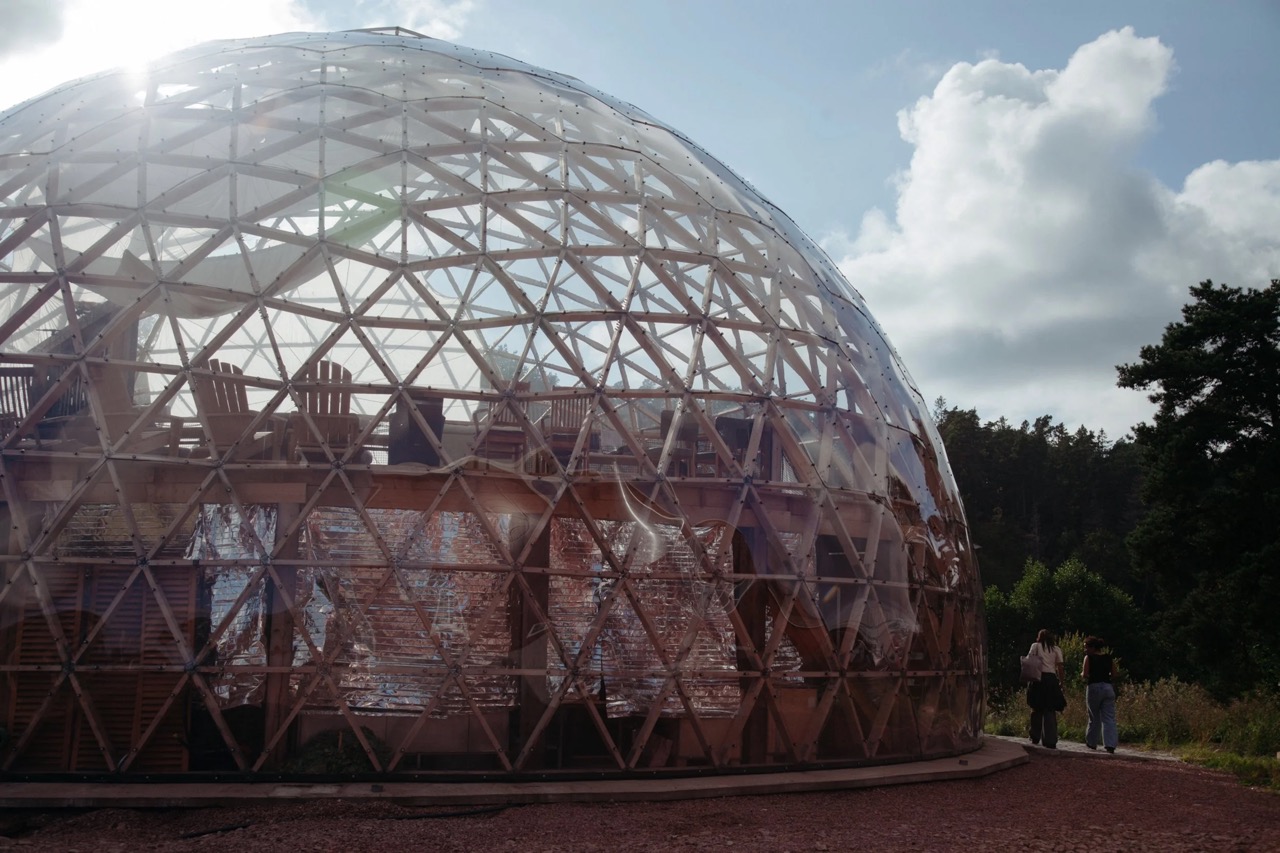
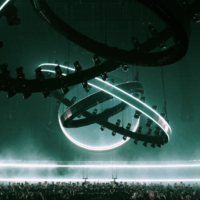
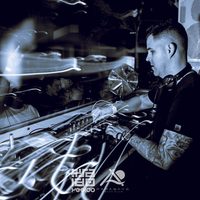
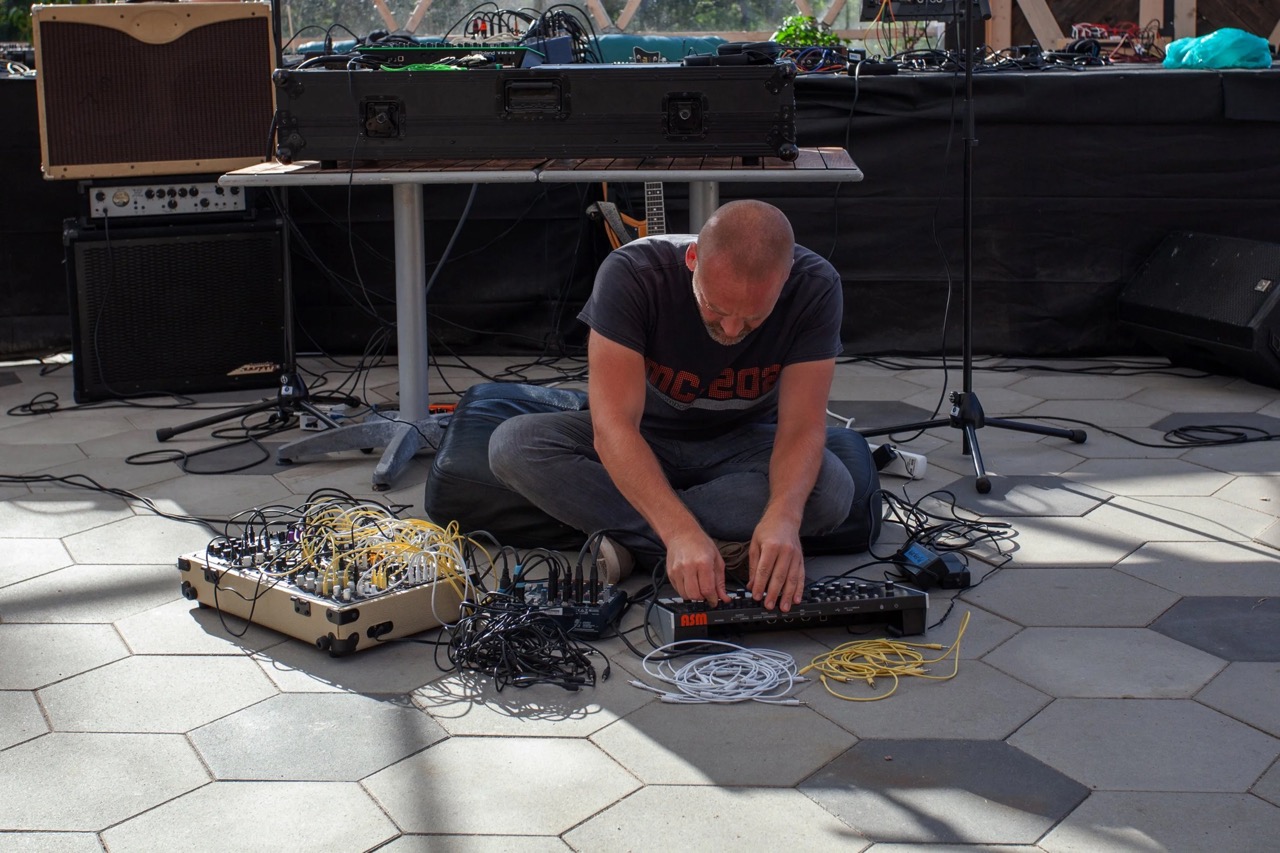
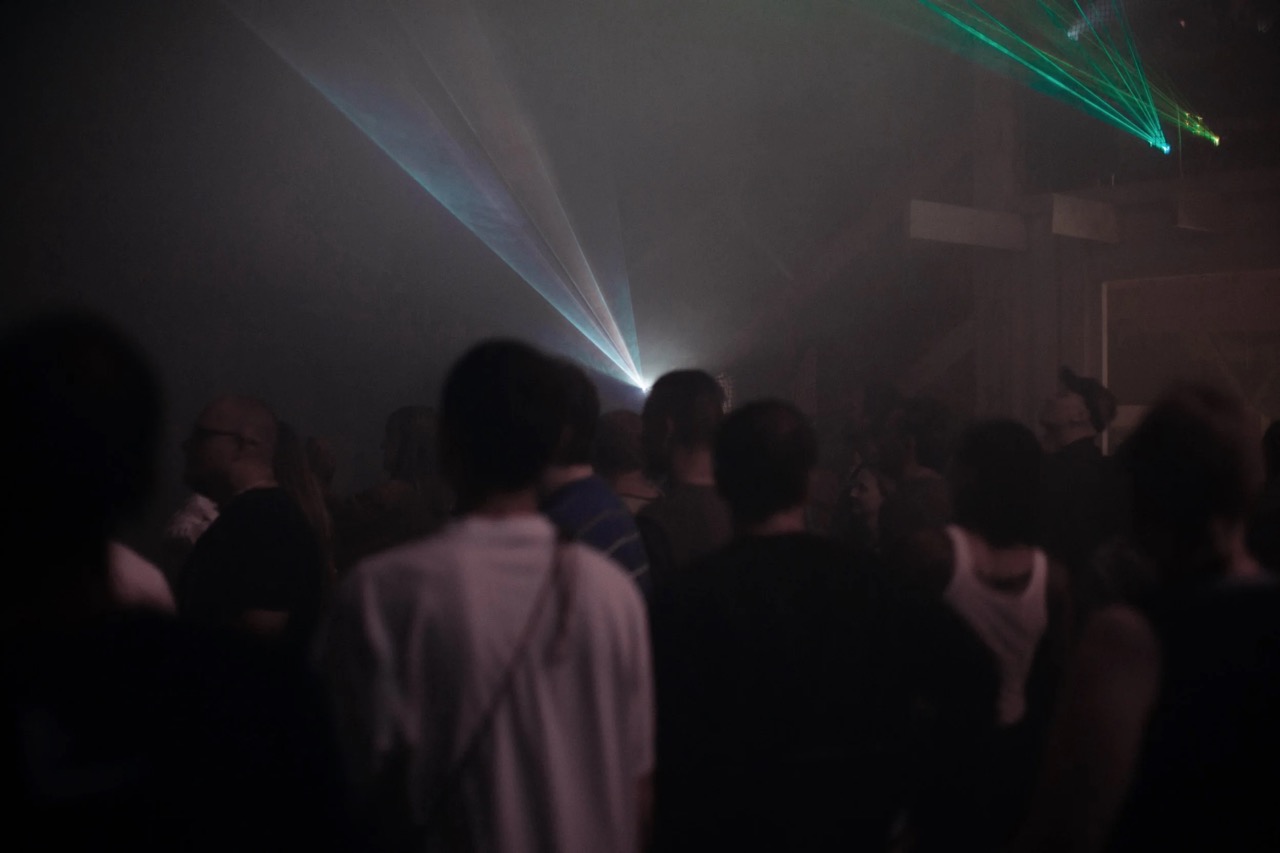
The visual documentation from the festival captures this philosophy clearly. Electronic equipment is placed directly on the floor, surrounded by modular cables, compact machines, amplifiers and instruments. Elsewhere, a DJ leans over a pair of turntables while the dome’s structure dissolves into blue light. A clarinet and cello performance introduces a chamber-like intimacy, while lasers, smoke and silhouettes later transform the same space into an unconventional nightclub. The venue never settles into one fixed role: it becomes a listening room, laboratory, concert hall and dance floor according to the needs of each performance.
That flexibility is central to Kokong’s character. Experimental festivals can sometimes create a distance between technical exploration and the audience, presenting sound as an intellectual object rather than a shared experience. Here, the close physical relationship between performers, equipment and listeners appears to remove much of that separation. The machinery remains visible, the changes between acoustic and electronic sources can be observed, and the crowd occupies the same compact environment as the artists. The result is not spectacle from a distance, but participation through concentrated listening and movement.
The transparent walls also alter the way time behaves inside the festival. Natural daylight enters the dome during the earlier performances, illuminating cables, wood and instruments without the need for theatrical concealment. As evening arrives, reflections, haze and artificial lighting gradually take control. The transition from landscape to club is therefore not abrupt; it unfolds across the building itself. Ambient soundscapes can feel connected to the trees and sky outside, while darker rhythmic sets turn the same architecture into something enclosed, unfamiliar and almost weightless.
For its next edition, scheduled for July 31 and August 1, 2026, Kokong Festival has announced a programme including Nadia Struiwigh, Daniel Savio, DJ Aleksi, Samuli Kemppi, Simone Ghetti and Svenska Discokyrkan, with further artists still to be revealed. The event will again take place at the Stallhagen Dome near Godby, with transport planned between the site and Mariehamn.
What makes Kokong compelling is not scale, excess or the usual hierarchy of headline names. Its strength lies in the construction of a temporary ecosystem where different listening traditions can coexist. A live modular experiment can sit beside a vinyl-led club set; acoustic instrumentation can move into digital processing; daylight contemplation can gradually become collective nocturnal movement.
The two exclusive track premieres presented in connection with the festival can be added here as further evidence of that curatorial approach: music is not simply played within Kokong, but introduced, tested and allowed to acquire meaning through the unusual environment surrounding it.
In an electronic landscape increasingly dominated by interchangeable stages and visually standardised events, Kokong Festival offers something more specific: a gathering shaped by its island, its community and a building that behaves like an instrument of its own.
Kokong Festival 2026 takes place on July 31 and August 1 at the Stallhagen Dome, Getavägen 196, Godby, Åland. One-day and two-day tickets are available through Resident Advisor, while transport between Mariehamn and the festival site is planned for both days.
Tickets: https://ra.co/events/2446708
Official website: https://www.kokong.ax/
Instagram: https://www.instagram.com/kokongfestival/
Facebook: https://www.facebook.com/profile.php?id=100094059695587
Facebook event: https://www.facebook.com/events/kokong-festival-2026/1480249849666222/
Contact: festival@kokong.ax